
Top 10 traditional Egyptian food to try in Egypt
 By Azure Lee
| Update on: Nov 17, 2025
By Azure Lee
| Update on: Nov 17, 2025
Experience the delights of Egyptian cuisine, with traditional ful medames and spicy koshari and slowly simmering molokhia. These legendary dishes can be considered a symbol of centuries of culture and genuine Middle Eastern flavor. You cannot visit Egypt without tasting these dishes whether you are on a food based vacation or you are just interested in learning about the Egyptian food culture. Entering them is convenient as it is straightforward and easy when one applies to an e-Visa Egypt.
TOP 10 traditional Egyptian food you must try
Egypt is an interesting country in most aspects. The real list of things to see is long and one can enjoy the Great Pyramids of Giza, the valley of the kings, the Nile River, and everything in between. Nevertheless, one should not ignore the immense happiness of enjoying the splendent gastronomic delights. With its near-intoxicating street foods to the old Egyptian food, there is a melting pot of gastronomic wonders that this nation can provide that would make your taste buds yearn to be satisfied even more.
What is the most popular food in Egypt, then?
Egyptian cuisine has been shaped by other cultures that have passed through its rich history; the cuisine is mainly Middle Eastern. The tastes and ingredients of Egyptian food are, in most aspects, more influenced by Arabic culture as opposed to African influence. To help you in your culinary tour, we have drawn a list of the best must-try food in Egypt.
Ful Medames
Ful Medames is a tasty and common Egyptian street food which has been consumed since time immemorial. The fuel is prepared in a large round cauldron-like pot known as qedra that cooks fava beans all night to make the ful which is pronounced: "fool.
Whole and mashed ful medames can be served. Some of the most common seasonings that are added to it include cumin, lemon, oil, pepper, salt, parsley, onion and butter. Having this meal the way it is served with a basket of freshly baked Egyptian bread to take it all away gives one an amazing satisfying meal.
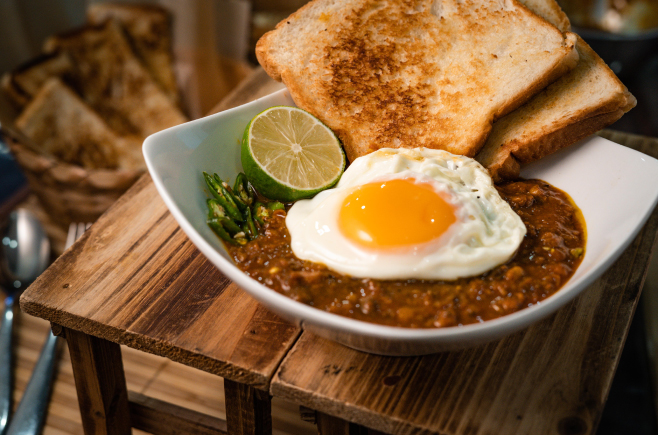
Ful Medames is a delicious and popular Egyptian street food
Read about a delectable journey into ancient Egyptian food and drink
Hawawshi
Hawawshi is a typical delicacy in Egypt. It is a bread (like the pita bread) which is normally stuffed with minced meat, onion and pepper. The heavily spiced mixture of meat is inserted into the bread dough and then baked until the flavors mix, the meat is cooked and the bread turns to a golden color and becomes crunchy.
Whether prepared at home or in different restaurants in Egypt, hawawshi is commonly served with fresh vegetables, salad, and any type of dips.
Kushari
Kushari is a favorite traditional Egypt foods and is also called koshari, koushari, kosheri, and kushari and is composed of pasta, lentils, and rice. The name is derived from the term khichri, meaning a rice and lentil dish in Hindu.
Additional servings of vinegar and hot sauce are normally served with Kushari. Like Ful Medames, Kushari can be found being sold by street peddlers as well as a variety of restaurant franchises.
This is a very cheap plate of food. You can enjoy a large serving of it at just $1.50 although it sometimes comes with an extra dose of liver.

A popular street food in Egypt, kushari is made of rice, pasta, and lentils
Fatteh
Fatteh, which is a favorite Egyptian traditional food and other Middle Eastern nations, is made of seasoned and boiled beef or lamb that is served on a layer of rice. Toasted pita-bread pieces are put in the dish to make it more interesting and then it is sprinkled with an appetizing tomato and garlic sauce.
Shawarma
Shawarma is a delicious Middle Eastern meat delicacy that is made through preparation by marinating and spit-roasting meat. It has its roots in the period of the Ottoman Empire and the name of the tool can be explained by the fact that it is pronounced in Arabic as the Turkish word cevirme that means turn. This is the rotating spike on which the meat is grilled.
Shawarmas are made of different types of meat, including lamb, turkey, chicken, beef, or a mix of some of them. The meat is slowly roasted over hours and therefore basts in the juices and fats of the meat making it unmatched in its succulence. Nevertheless, the key to an ideal shawarma is the marinade.

Shawarma is a delectable Middle Eastern meat delicacy
For an authentic local experience, start your culinary journey with a traditional breakfast in downtown Cairo, where you can savor classic dishes like ful medames and taameya in the heart of the capital.
Hamam Mahshi
Stuffed pigeons is a well-known Egyptian food that is not usually prevalent in some other regions of the world. To prepare them, the pigeons are first boiled and then they are stuffed with either hot rice or grits, onion and tomato sauce.
The pigeons after the stuffing can be deep-fried or baked in the oven. Although there is a significant level of fat and carb in this dish, the experience that is provided is astonishing. Eating stuffed pigeons, you do not use the traditional cutlery, such as fork and knife, you should eat this kind of food with your bare hands!
Although hamam mahshi is a dish that is usually eaten only on special occasions in Egypt, it is not hard to find it on a restaurant menu.
Meshabek
Meshabek is a sweet delicious ball that is prepared by deep frying a crispy batter and then dipped in honey or sweet syrup.
The meaning of its name Meshabek means twisted and that is exactly what it looks like: thick and twisted threads of yummy!
Meshabek was born in Tanta and Damietta but has been popular in the rest of Egypt and currently can be found in virtually any part of the country.
It is even better that Meshabek is very affordable. And you can buy 500 grams of this delicious dessert at little more than a dollar!

Meshabek is a delightful round sweet treat that is created by deep-frying a crunchy batter
Read about: Explore the best fast food restaurants in Egypt
Konafa
It is storming the streets of America during the holy month of Ramadan with Konafa being the main dessert consumed on the Egyptian streets, overtaking all dessert stores, cafes, and small kiosks.
Konafa Traditional Konafa is made of long threads of raw dough in the form of vermicelli. Several years ago, Egyptians used to be able to taste Konafa in two traditional versions which are custard or nuts and milk.
Nevertheless, in recent years a range of Konafa has grown in pastry shops to a variety of products. Today, one can find a variety of various kinds including Konafa Nutella, Konafa Mangoes, Konafa Lotus, Konafa with fruits and Konafa Ferrero Rocher.
It is now one of the yearly events to which Egyptian younger people are looking forward. They also look forward to the new Konofa versions every Ramadan.
Macarona Bechamel
This versatile dish is suitable for any gathering and can be paired with various accompaniments or enjoyed on its own.
It comprises three scrumptious layers. The base layer consists of boiled penne pasta, while the second layer combines minced beef with onions and tomato sauce.
The final layer is a comforting and rich white sauce known as Bechamel. As the casserole is baked, the top layer develops a lovely golden brown hue.
This dish is not only delicious but also satisfying as a standalone meal. It incorporates a balanced combination of protein, carbohydrates, and fat, providing a wholesome dining experience.

Macarona bechamel is not only delicious but also satisfying as a standalone meal
Om Ali
The name of the Egyptian dessert, 'Om Ali,' translates to 'Ali's mother,' and Egyptians enjoy humorously poking fun at its name.
Om Ali is made by layering pieces of puff pastry, nuts (such as almonds or pistachios), raisins, and coconut flakes in a baking dish. The pastry and fillings are then generously soaked in a sweet milk mixture, typically made from milk, sugar, and fragrant ingredients like rosewater or orange blossom water. The dessert is then baked until the top turns golden and the flavors meld together, creating a heavenly combination of textures and tastes.
When ordering Om Ali at an Egyptian restaurant, you will typically be asked a standard question: "With or without nuts?"
Interestingly, Om Ali has managed to become an integral part of every Egyptian wedding dessert spread, though the exact reason behind this tradition remains somewhat of a mystery. It is just one of the delightful secrets of Egyptian cuisine.
Read about: The best restaurants in Dahab that you must try
Best time to enjoy the famous traditional Egyptian cuisine
Experience the culinary delights of Egypt at their finest during the mild winter months from October to April. This period offers pleasant weather, making it the ideal time to explore the diverse flavors of Egyptian cuisine. Immerse yourself in the unique atmosphere of Ramadan, where bustling food markets come alive with special iftar meals after sunset. Don't miss out on the opportunity to attend food festivals and cultural events throughout the year, where you can sample the best of Egyptian gastronomy.
Essential tips for exploring the flavors of Egypt
If you're planning a trip to Egypt, it's important to have the necessary travel documents. Apply for an Egypt e-Visa through our Egypt Immigration Services website for a convenient and streamlined visa application process.
Contact us today to ensure you have the necessary travel authorization to fully enjoy your culinary adventure in Egypt.
Related Articles
- Business Visa Egypt – Requirements, Fees & How to Apply
- Student Visa Egypt Guide: Requirements, Fees & Process
- 5 Year Multiple Entry Visa Egypt: Full Guide & Updates
- How much is a visa from Nigeria to Egypt? Full cost guide
- Egypt Visa Extension: How to Apply, Requirements & Guide

 NEED HELP 24/7
 United States
  United Kingdom
  Singapore
  Viber
Viber 


